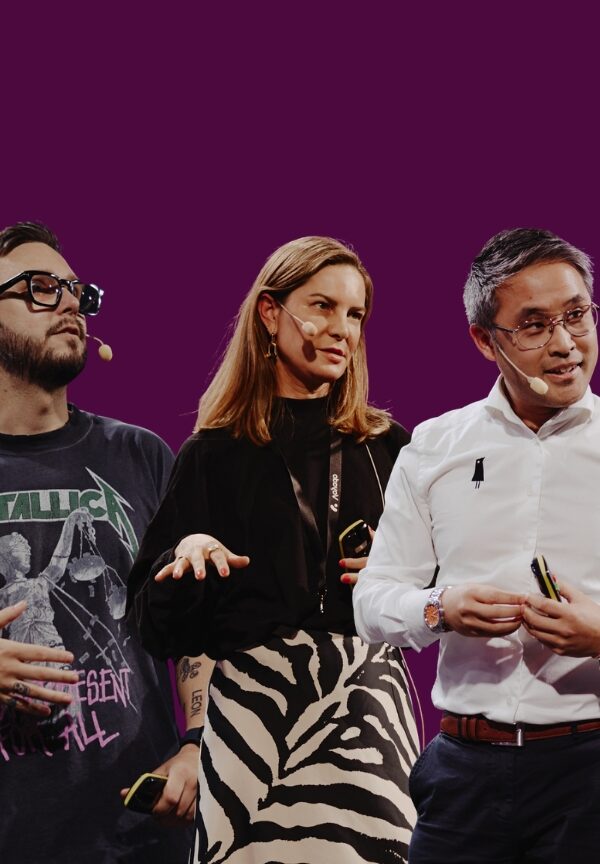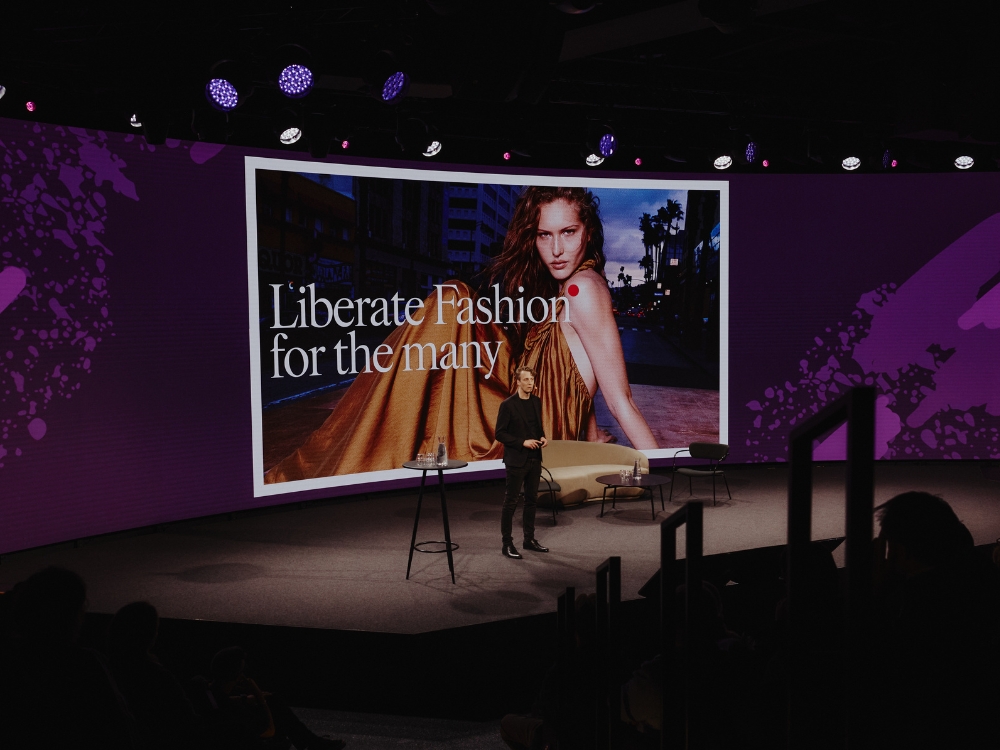
On May 20th, nearly 500 retail and e-commerce leaders gathered at SPACE in Stockholm for Love Generation 2026. Speakers from H&M, Lovable, Nordic Nest Group, and more took to the stage to explore what AI is changing across retail, from customer experience and personalization to leadership and growth. And the room carried a tangible feeling that something significant is changing in the industry.
In this article, we look back at some of the biggest themes, ideas, and conversations from Love Generation 2026, from AI-native retail and customer relevance to operational complexity and the future of human experience in commerce.
Customer context is becoming one of retail’s biggest advantages
Felix Kruth opened the day by sharing Voyado’s perspective on the future of retail and the growing importance of owning customer context in an increasingly AI-shaped world.
As AI becomes more capable, customer understanding becomes more valuable. Brands now have more signals, more channels, and more opportunities to personalize experiences than ever before, and the challenge is making sense of that information in ways that genuinely improve the customer experience.
Jennifer Stephens captured the shift succinctly during her session: “The future advantage belongs to retailers that can combine operational intelligence with deep customer understanding.”
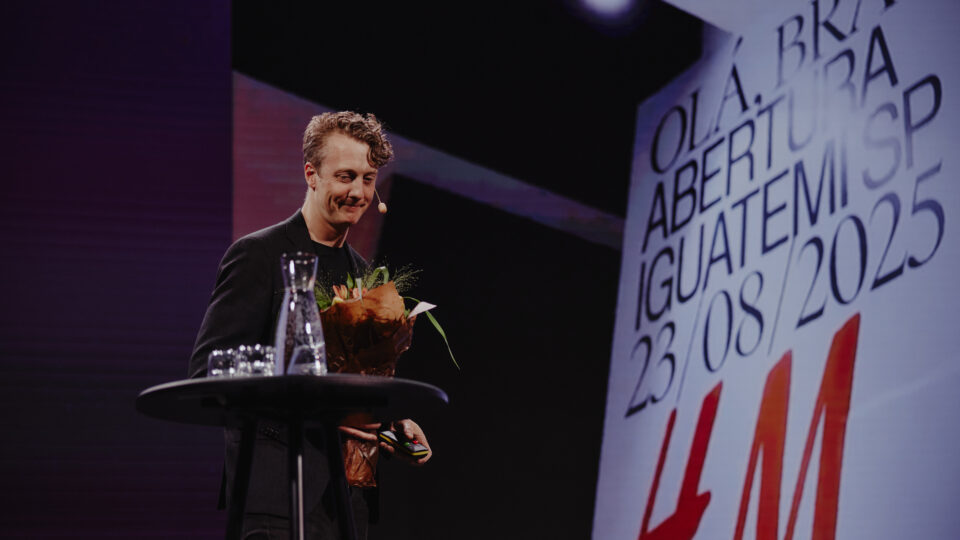
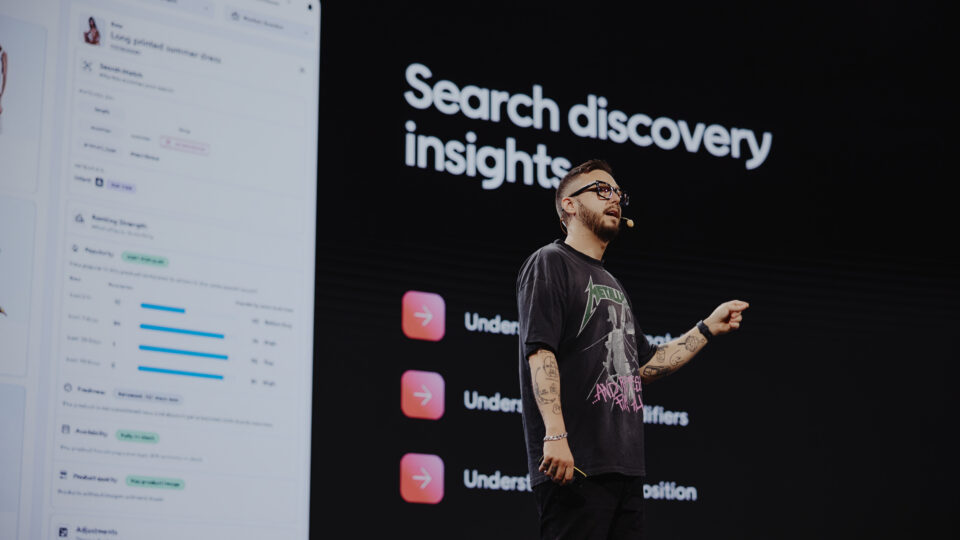
That theme resurfaced later in Lars Gezelius’ session for H&M, where he explored how one of the world’s largest fashion retailers approaches relevance, ranking, and intent on a global scale.
“Relevance never goes out of fashion,” Lars said, while discussing how search, browse, and recommendations are evolving beyond static experiences and moving closer to understanding what customers are actually trying to achieve. The session offered a rare look inside a global retail operation navigating AI transformation in real time, and how conversational experiences is set to shape the next generation of customer journeys.
AI is becoming practical, not theoretical
One of the strongest threads running through the event was the growing gap between AI excitement and operational reality.
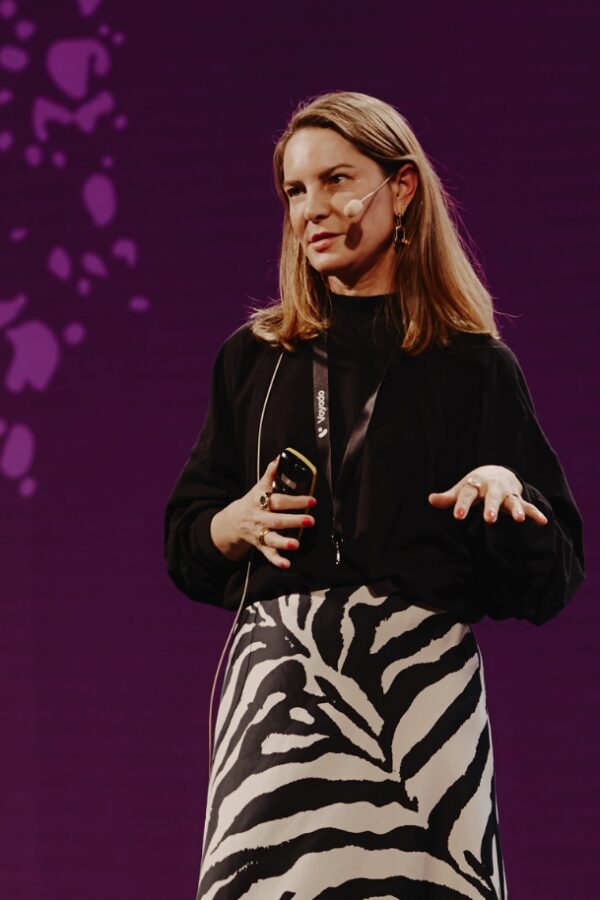
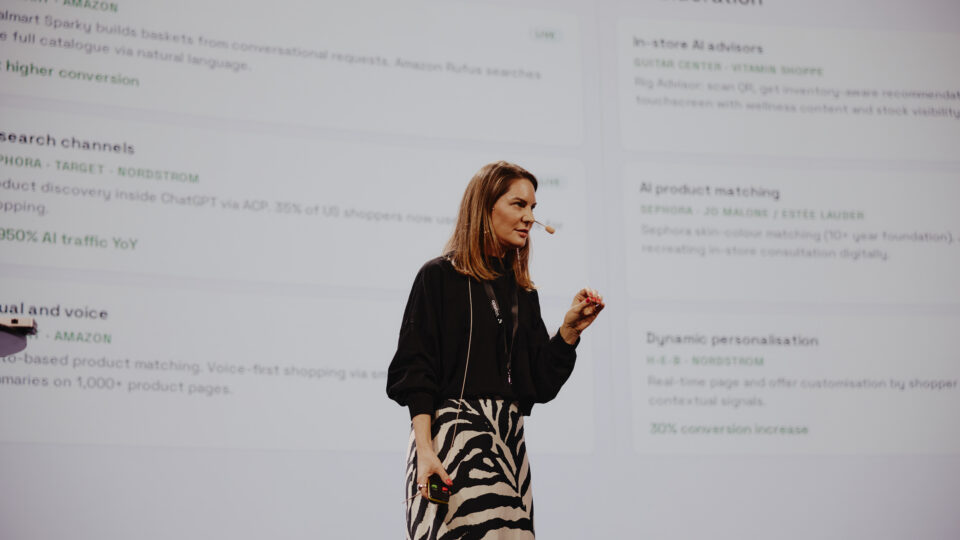
Jennifer Stephens brought sharp clarity to that in her talk focused on what AI-native retail actually looks like in practice. Drawing on experience across brands including Sephora, Ted Baker, and French Connection, she spoke about the difference between experimenting with AI and truly building organizations around it.
| * All Love Generation 2026 sessions are available to watch here. * |
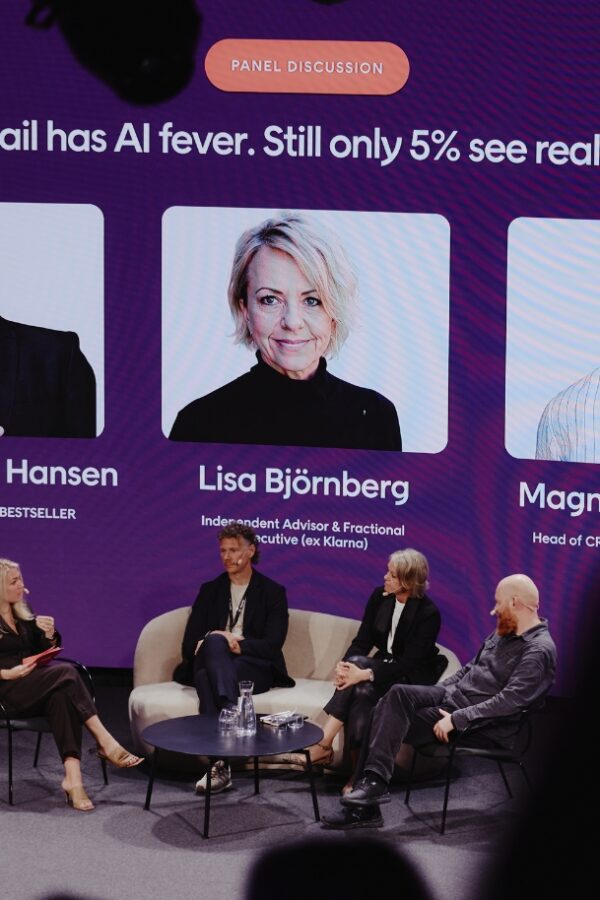
The panel discussion pushed the topic even further. Rather than focusing on futuristic scenarios, the conversation centered around culture, adoption, priorities, and implementation. Essentially: the practical realities behind making AI useful inside real businesses.
Lisa Björnberg spoke about the risk of “activity theatre” around AI, where organizations appear busy experimenting but struggle to create meaningful operational change underneath the surface.
Building things is getting radically easier
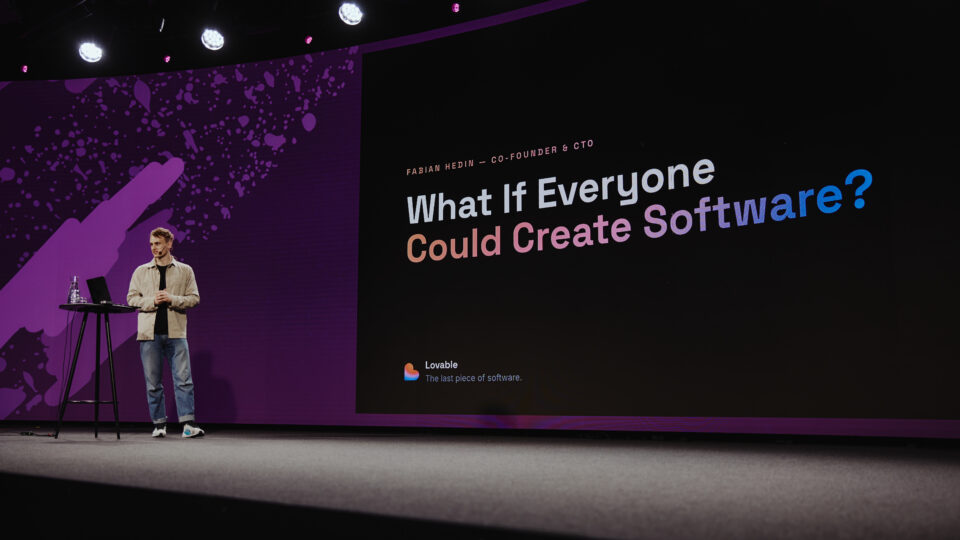
Lovable Co-Founder and CTO, Fabian Hedin, brought a completely different kind of energy to the stage. Energetic and deeply optimistic, he shared the story behind Lovable and painted a picture of a world where creating software becomes dramatically more accessible.
“What happens when building software becomes as easy as describing what you want?” he asked.
As software creation becomes easier and AI tools become more powerful, Fabian suggested businesses should think carefully about ownership in the AI era, particularly when it comes to customer context and dependency on external platforms sitting between brands and their customers.
To bring that shift into real time, he gave the audience a live demonstration of an early alpha version of the Voyado MCP on stage, showing just how quickly development cycles are accelerating and how much more control businesses may soon have over building their own experiences and workflows.
The discussion connected naturally with wider themes throughout the event, including customer understanding, relevance, and the long-term value of owning your context.
Scale creates complexity, and complexity affects customers
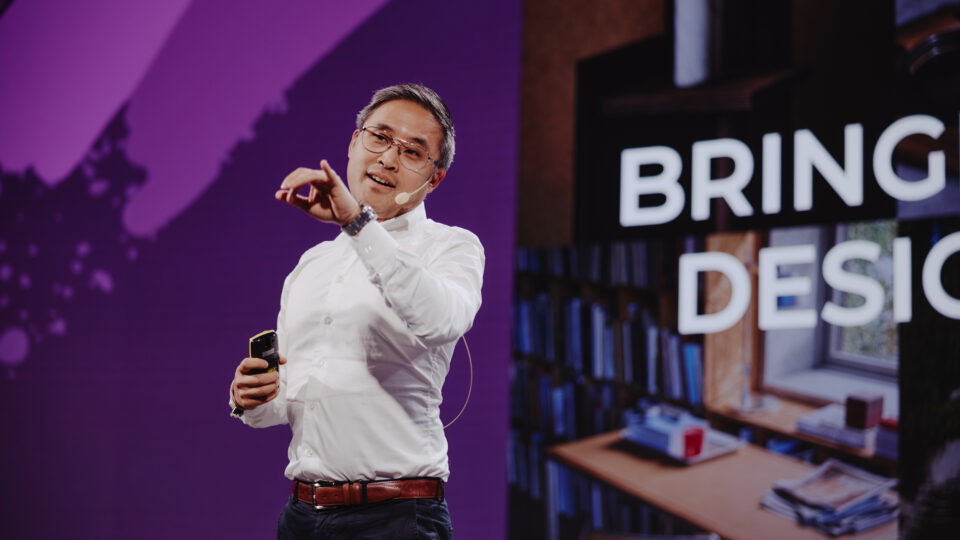
Bank Bergström delivered one of the day’s most memorable sessions. Partly because people laughed, partly because he openly shared failures as well as successes, but mostly because the session felt grounded in the operational realities of scaling internationally.
Operating across around 70 markets brings enormous opportunities, but also enormous complexity. Decisions around localization, consistency, and efficiency ultimately shape the customer experience.
One example shared during the session showed how localization efforts contributed to an 8% improvement in performance, reinforcing the commercial impact customer experience decisions can have when applied thoughtfully across markets.
Human experience may matter more than ever
Perhaps the most interesting thing about Love Generation 2026 was how often conversations about AI kept circling back to people: their needs, behavior, and experiences.
We know that the technology is evolving rapidly, and the tools are becoming smarter. Creation is becoming easier, and data is becoming richer.
Yet speaker after speaker returned to the same underlying idea: the businesses that succeed will be the ones that stay closest to their customers.
Jennifer Stephens framed it as something far bigger than a technology shift alone. “AI is not just a technology movement, it’s a human movement, and it’s a behavioral movement,” she said.
Love Generation 2026 wrappedOwn your context. The brands creating the most relevant experiences are the ones that understand their customers best. Move beyond experimentation. AI value comes from adoption, operational change, and measurable outcomes, not activity theatre. Build with more control. As software becomes easier to create, retailers have new opportunities to shape their own experiences and workflows. Scale thoughtfully. Growth creates complexity. The challenge is balancing localization, efficiency, and consistency without losing sight of the customer. Keep it human. The future of retail will be shaped by technology, but success still depends on understanding people’s needs, behaviors, and motivations. |
About Author