Fashion brands want the speed and scale of AI, but are people, processes and trust holding it back?
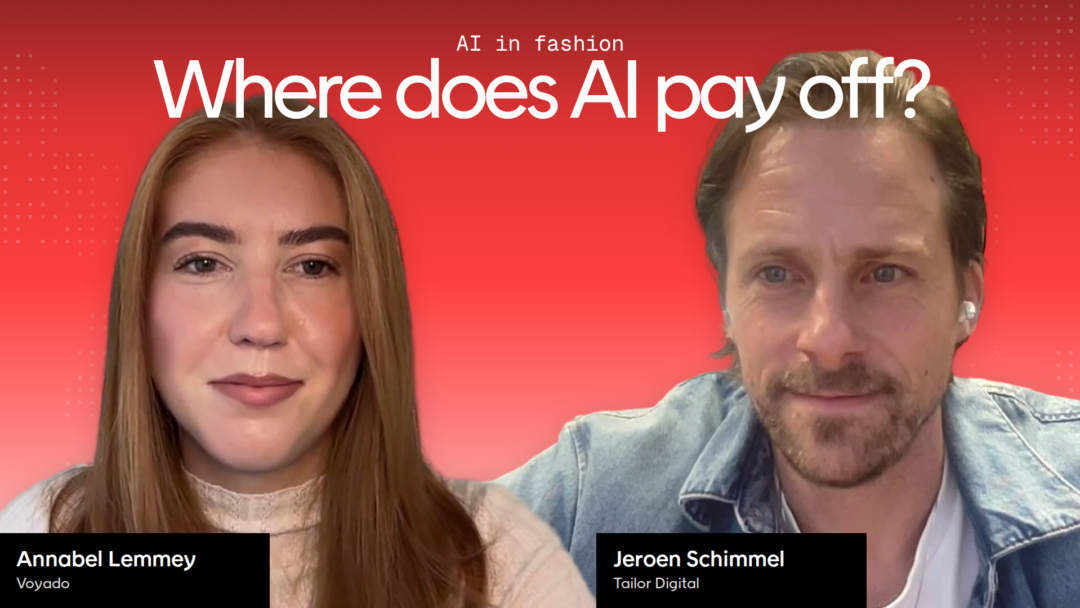
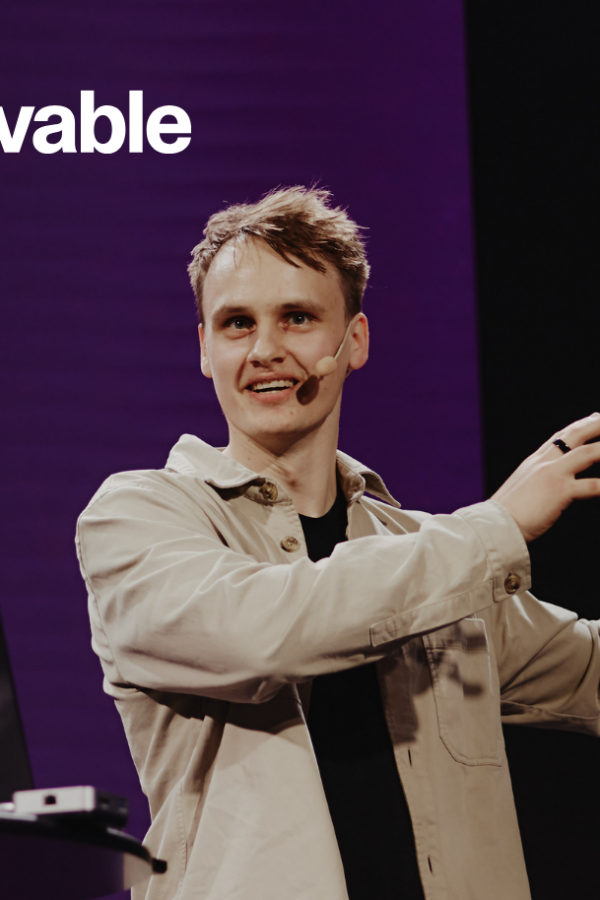
Fashion brands are moving fast on AI. Jeroen Schimmel, co-founder and managing director of growth and innovation at Tailor Digital, works with fashion brands across paid media, email, data and loyalty. In this conversation with Voyado’s Annabel Lemmey, he shares where AI is already creating value, why branding is the wrong place to hand it the pen, and why teaching people to challenge AI matters as much as teaching them to use it.
Where AI creates value today
Jeroen sees the clearest gains in conversion work and in the manual effort behind it:
- Faster production. Emails that once took a day can now be built in minutes, and asset production that took weeks can happen in seconds. Brands can test far more variations.
- Deeper analysis. Dashboards matter less than they used to. Teams can ask why a campaign performed the way it did and act on the answer.
- Better targeting. Dynamic advertising and email can use AI to create more diversity in creative, reaching shoppers with more relevant messages.
Keep the brand human
Jeroen’s view is direct: use AI to scale conversion, not to write the brand. Branding depends on authenticity, the internal culture of a company and content that feels genuine. Used there, AI risks making every brand sound the same.
Annabel points to the same risk in the wider market. When brands build their messaging with the same tools, they start to look alike. She also notes that LinkedIn is already penalizing posts it considers AI-generated, a sign of how quickly audiences notice when the voice isn’t the author’s own.
Trust is built, not assumed
Jeroen’s approach starts with people. In Tailor Digital’s AI workshops, the first step is helping people trust themselves with the technology, because many are wary of the unknown. From there, teams work through clear stages:
- Spar with AI. Use it as a sparring partner to test ideas and go deeper.
- Draft with AI. Let it write first drafts, such as emails, while people edit and send.
- Approve AI output. AI produces the work, and people approve it.
- Let AI work autonomously. Move to supervised, automated execution once the team is confident.
Throughout, Jeroen emphasizes the human skills that matter more as routine tasks move to AI: feedback, empathy and taste. He also stresses that AI gives good questions and wrong answers in equal measure, so teams need to challenge its output rather than accept it as a final answer.
Key takeaways
- AI adds the most value in conversion work, production and analysis.
- Keep branding authentic and human-led.
- Teach people to challenge AI, not just to use it.
- Build AI on your brand identity, processes and data.
- Expect change to be constant, and invest in the human skills that help teams adapt.