Background
RCS represents the next major step in mobile messaging, combining the reach and reliability of SMS with the interactivity and depth of modern app-based channels like WhatsApp and iMessage. It’s poised to become a cornerstone of how retailers communicate with customers — starting right now.
To map out what RCS really is and why it matters for marketers, we sat down with Pedro Carmo e Silva, VP Commercial Product Management from Sinch to explore the fundamentals of RCS, how it compares to SMS, and what opportunities it opens for retailers aiming to create more engaging and measurable customer experiences.
What is RCS?
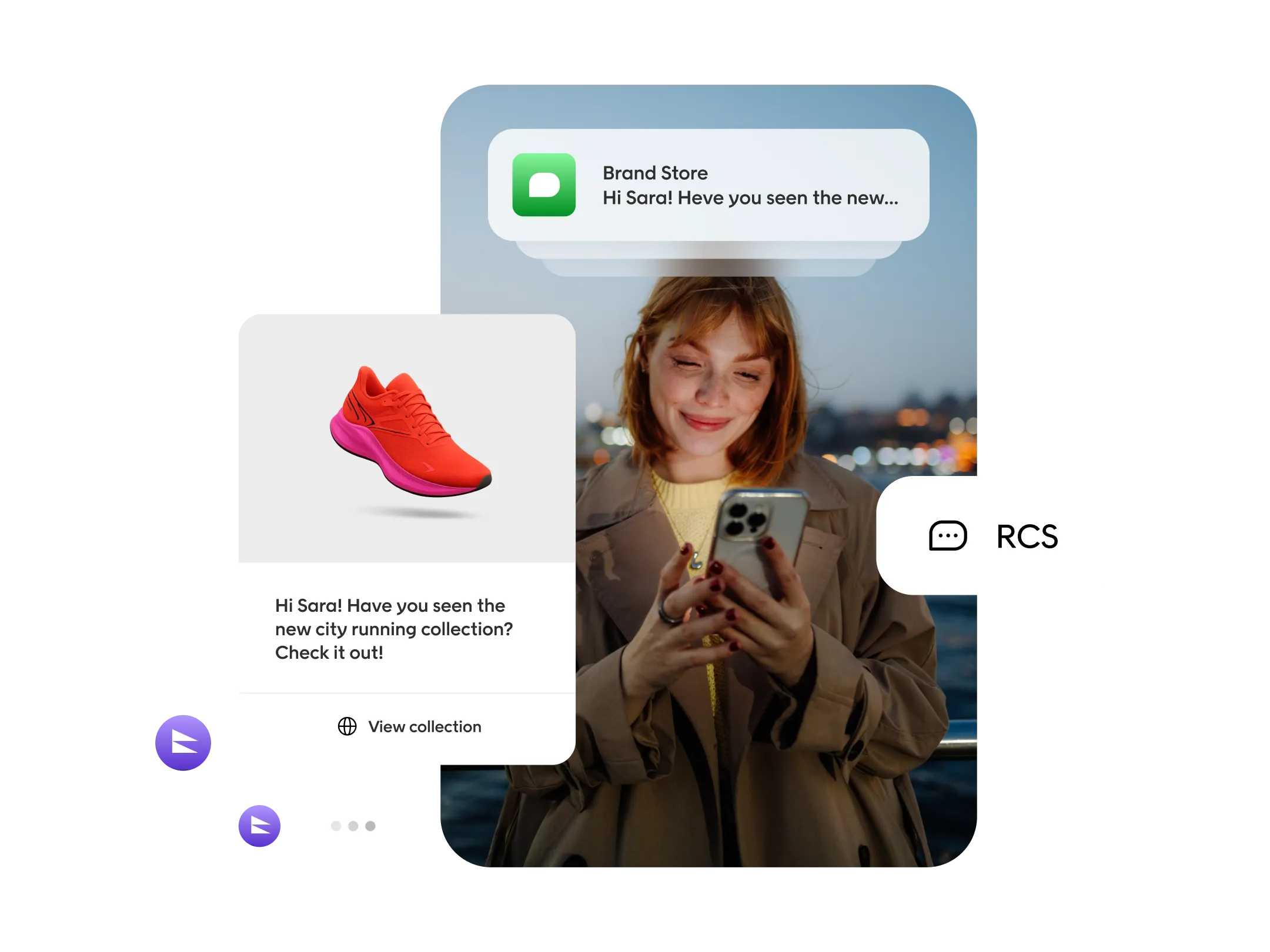
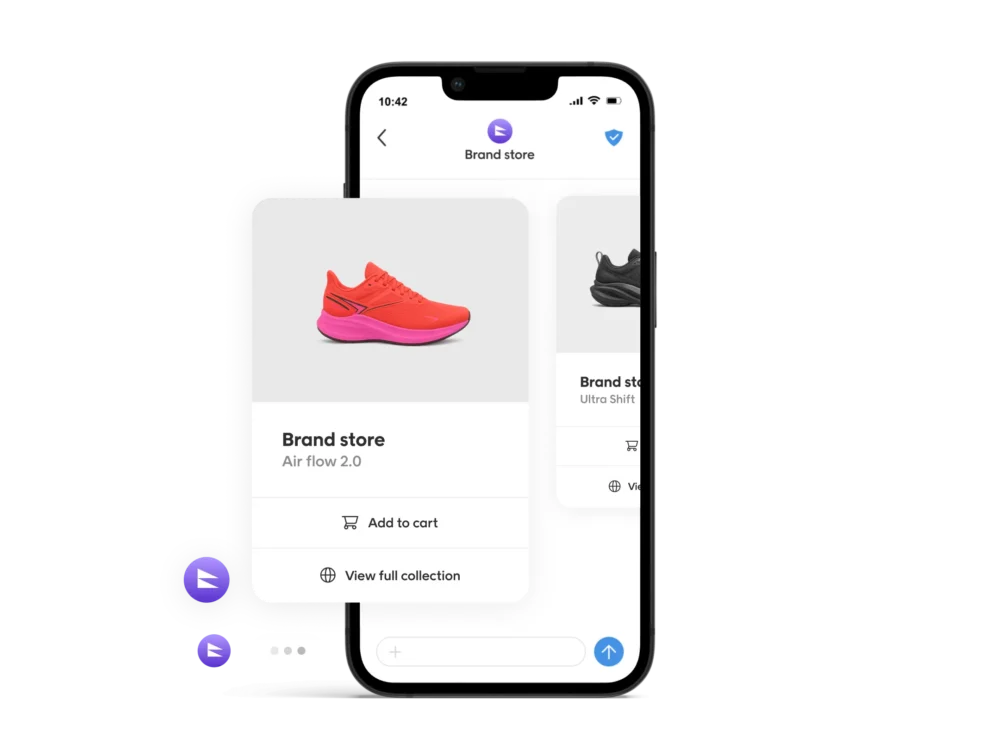
RCS, short for Rich Communication Services, is a messaging standard developed by mobile operators and supported by both Google and Apple on multiple markets, with additional markets being rolled out continuously. Like SMS, it’s native to the phone — no third-party apps or downloads required — but it enables images, videos, carousels, buttons, branding, and interactivity within the same familiar messaging interface.
With Apple’s adoption underway, the channel will soon be available on nearly every smartphone, making rich, interactive messaging accessible to all.
“RCS provides the same ubiquity as SMS but adds the capabilities we’re used to from channels like WhatsApp and iMessage.”
— Pedro Carmo e Silva, VP Commercial Product Management, Sinch
How RCS improves on SMS
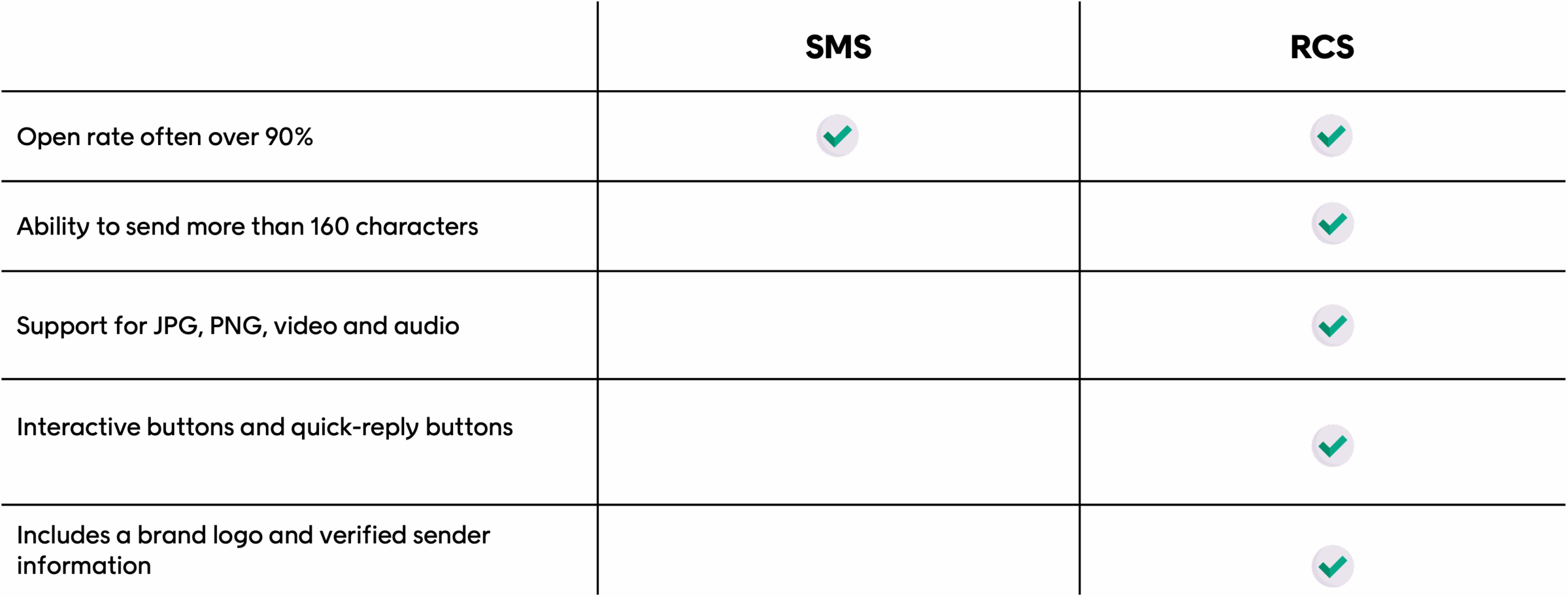
SMS has long been one of the most reliable ways to reach customers — it’s universal and effective. But as Pedro explains, RCS preserves that universality while removing SMS’s biggest limitations. Instead of being confined to plain text with no real insight into engagement, retailers can now use richer, more interactive content and access deeper analytics. In other words, RCS brings together the reach of SMS and the engagement of digital marketing in one native channel — and the early performance results already show just how powerful that combination can be.
RCS eliminates SMS’s limitations by offering:
- Richer content — Send branded images, GIFs, videos, and carousels directly in the message.
- Interaction — Allow customers to engage instantly through buttons and suggested replies.
- Real analytics — Track opens, clicks, and conversions for better insight.
- Brand trust — Messages are verified and visually branded with the sender’s logo and colors, reducing fraud and impersonation risks.
Trusted, verified, and built for stronger connections
Fraudulent messages have become an unfortunate reality for consumers and marketers alike. RCS addresses this with a built-in vetting and verification process: brands must be approved by mobile operators before they can send RCS messages.
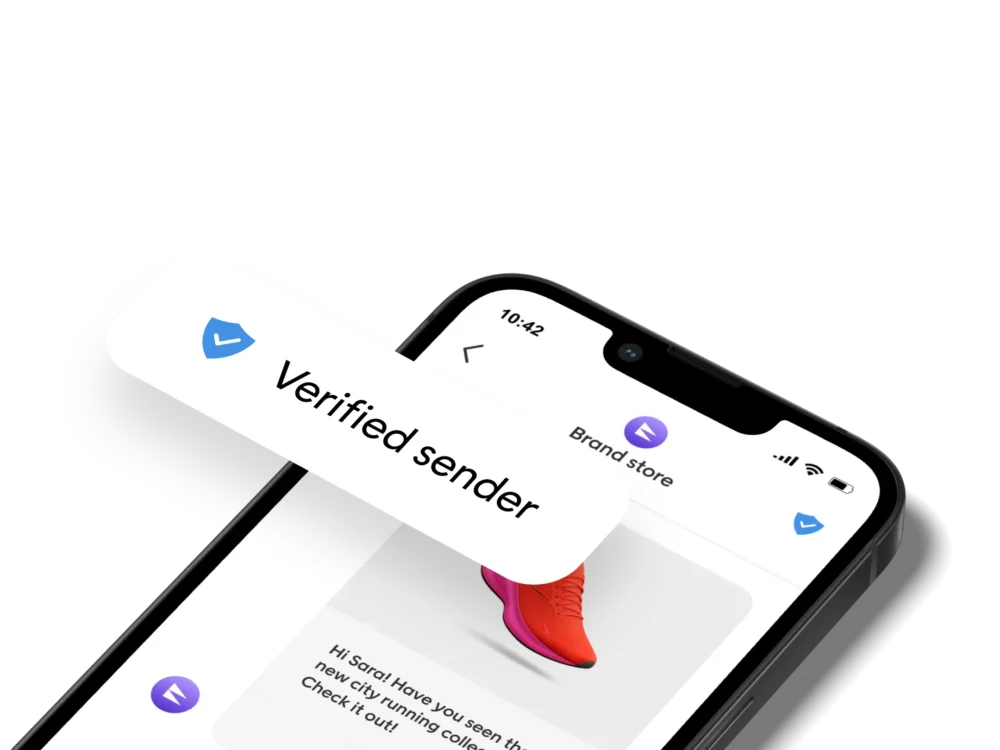
“With RCS, users can trust that the message really comes from the brand — it’s verified by the operator.”
— Pedro Carmo e Silva, VP Commercial Product Management, Sinch
RCS adoption is accelerating quickly. In most major European markets, including the UK, France, Germany, and Spain, coverage already exceeds 85%. The Nordics are next in line as Apple’s rollout continues.
Looking further ahead, industry experts expect RCS to expand well beyond today’s capabilities — with deeper web-like experiences, more advanced AI-driven conversations, and customer-initiated interactions becoming commonplace across service and marketing.
“In short: RCS isn’t just replacing SMS — it’s redefining what mobile customer engagement looks like.”
— Pedro Carmo e Silva, VP Commercial Product Management, Sinch
Curious about RCS?
Watch our Curious About RCS episode featuring Pedro Carmo e Silva from Sinch, where we unpack RCS and dive deeper into how retailers can start leveraging RCS in their communication strategy.
About Author